Self Improvement

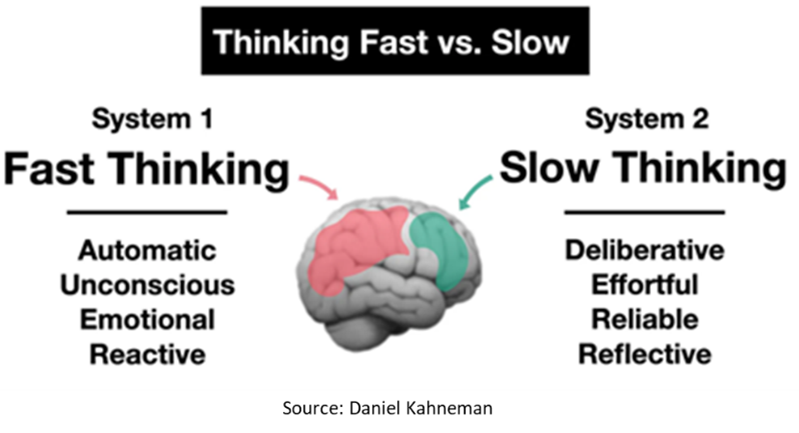
Another way to think about our brain’s two systems is that we have one we control and one we don’t. They are both part of us, but because the fast one happens automatically you might be tempted to think of it as not being you because you have little control of it. You may have said to yourself at some point, “where are these thoughts (or feelings) coming from?”

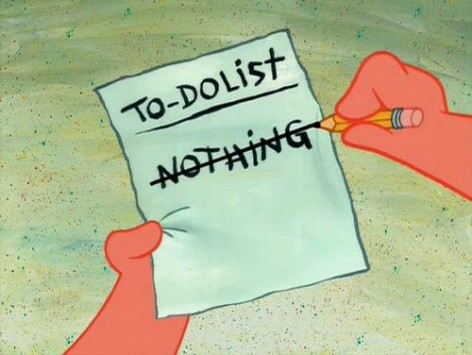
In our current society, with typically more to do than time to do it in, many people have settled into a routine of merely reacting to what comes at them. They have become mentally programmed to just respond to requests with little thought given to pursuing their own agendas. Whether at work or home, rather than be intentional about what they do, they essentially let their world dictate what to do.

Do you experience the power of hope in your life or use it to help others in your circle of influence? In particular, if you are a parent, spouse, boss, or leader in some way, do you create hope in those around you or within your care?

Should we just listen to people when they say good things to us and ignore people when they say not-so-good things? That might make us feel better but what if someone says something we don’t like, but is actually helpful to us?

Our past accomplishments, mistakes, and circumstances are what we and others often think about when considering who we are. To most, this seems perfectly logically and factually accurate. After all, our past is our story. It reflects our previous decisions, experiences, and abilities. It reflects our prior character, attitude, and knowledge. Perceptions are often based on realities. 

Scroll to Top